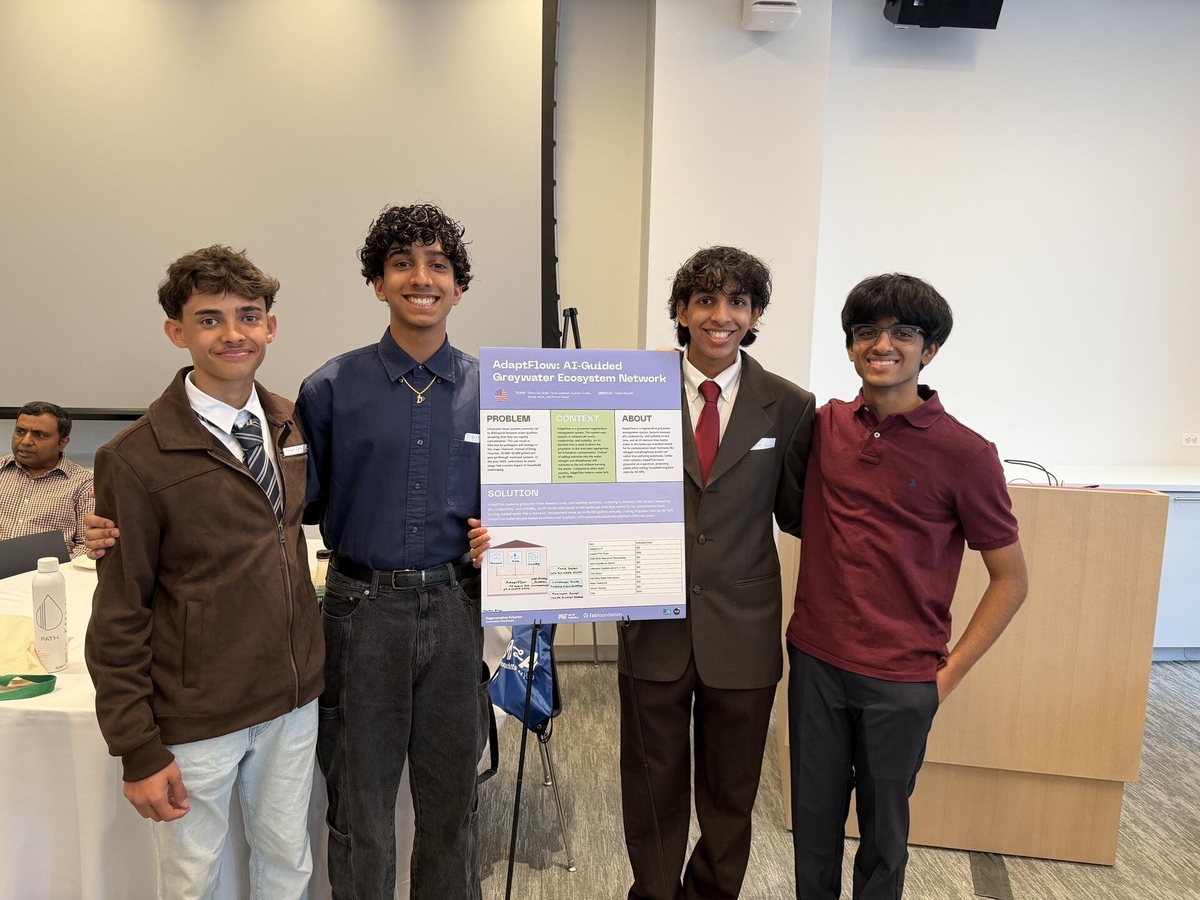
AdaptFlow
AdaptFlow started with a simple frustration. Most greywater systems just filter water and stop there. We wanted to build something that actually understands the water it's working with and decides where to send it based on what the environment can handle in real time.
The system uses sensors to measure pH, turbidity, and conductivity, then uses AI to route the water to the right place for safe reuse. It returns nutrients like nitrogen and phosphorus back into the soil, which reduces the load on wastewater infrastructure and supports local biodiversity. It's designed to work in a single home or scale up to an entire neighborhood.
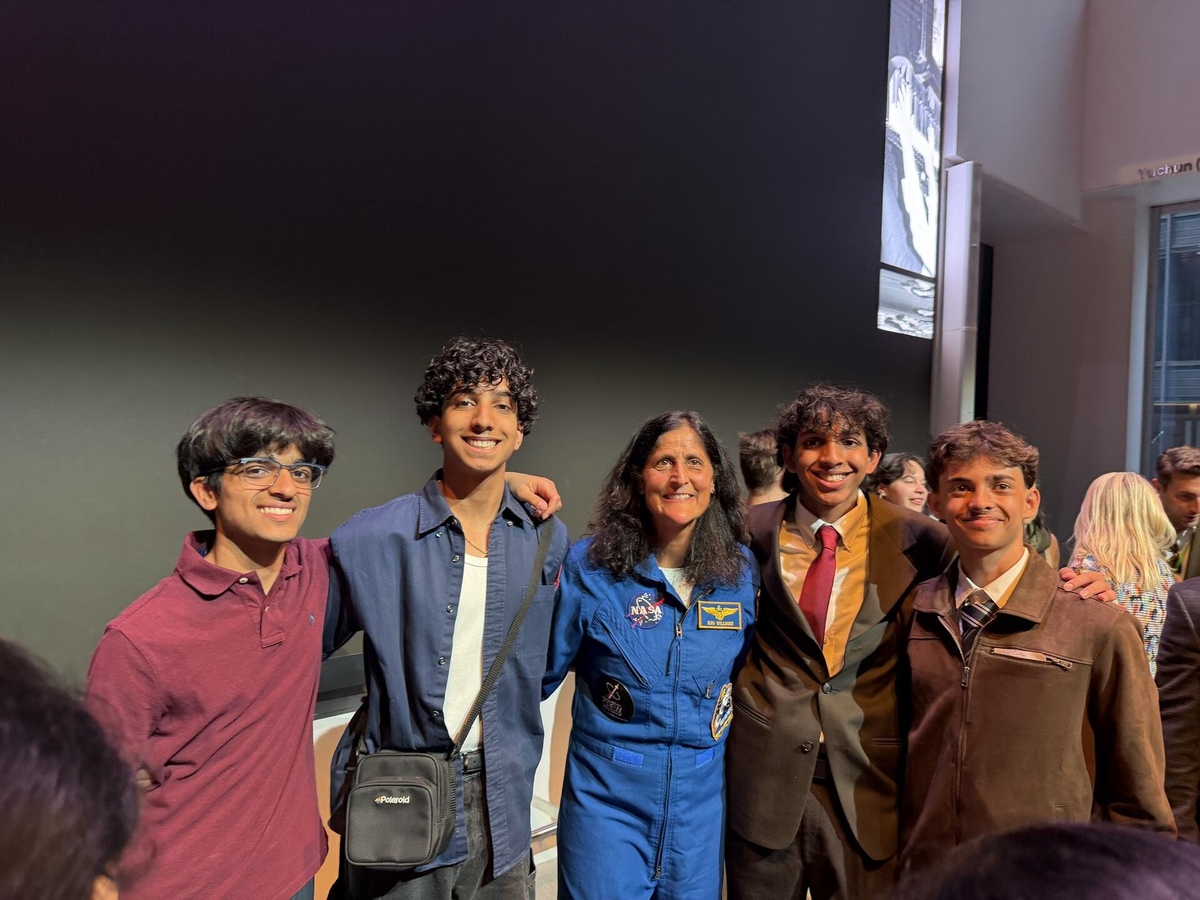
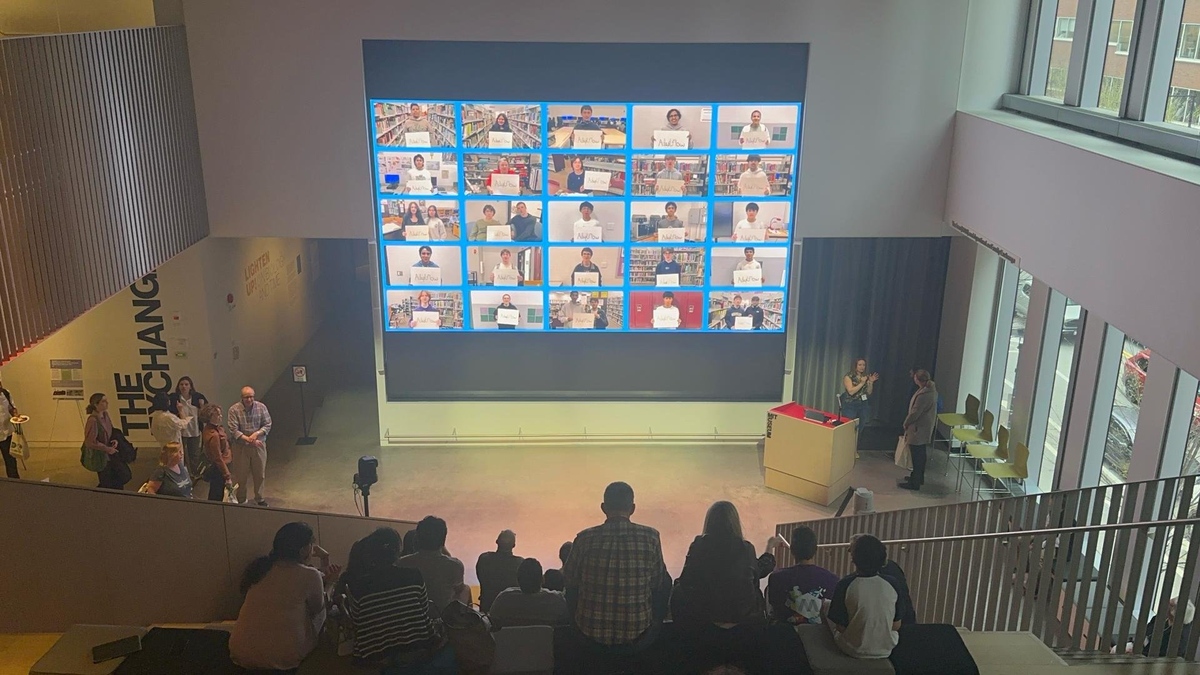
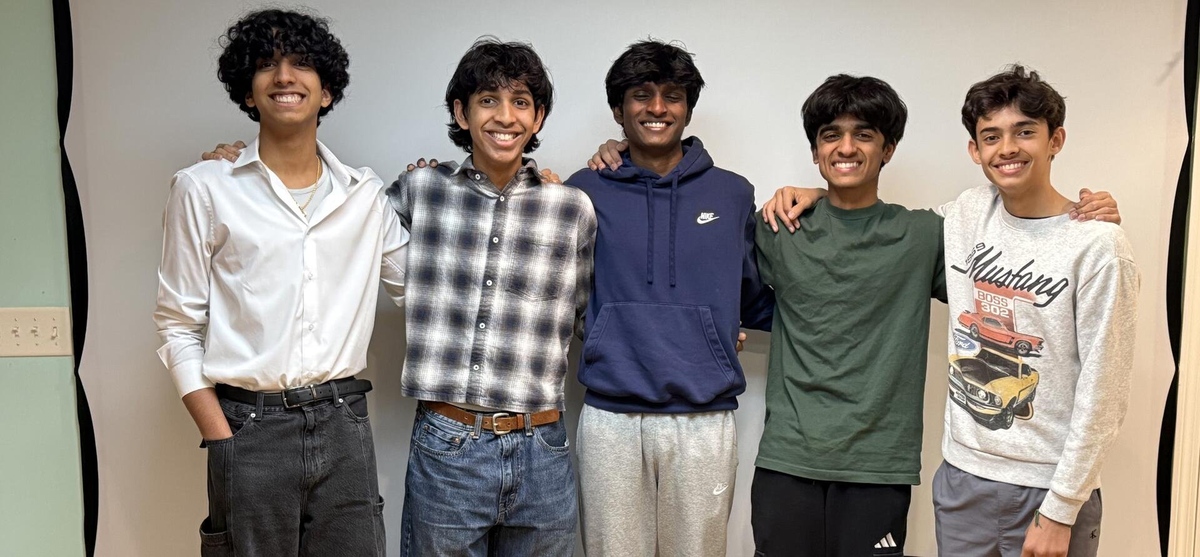
We designed it to address a real problem in New Hampshire: increasing water stress, aging infrastructure, and seasonal droughts. The team was made up of students from Nashua High School South, and we collaborated with students from Brazil, Colombia, Nigeria, India, South Korea, Vietnam, and more as part of the MIT Regenerative Futures Challenge. We were selected as one of 23 teams globally. The project was presented at the MIT Museum on April 15th to over 500 people in person and online. We also got to meet astronaut Sunita Williams, which was something none of us will forget.